


What Are the Best Micro Engravers for Detailed Jewelry Work?
If you’ve ever tried engraving a ring, pendant, or bracelet with ultra-fine detail, you already know—precision is everything. Jewelry engraving isn’t just about power; it’s about control, beam quality, wavelength, and consistency. As a geek laser engraver, I’ve tested a wide range of machines, including compact laser engraver systems and desktop laser engraver setups, and when it comes to micro engraving for jewelry, not all engravers are created equal.
In this guide, we’ll break down the best micro engraver options for detailed jewelry work, with a strong focus on precision laser engraving, material compatibility, and real-world usability. Whether you’re customizing stainless steel engraving projects, engraving gold pendants, or adding intricate textures to silver engraving pieces, this article will help you choose the right jewelry engraving machine.
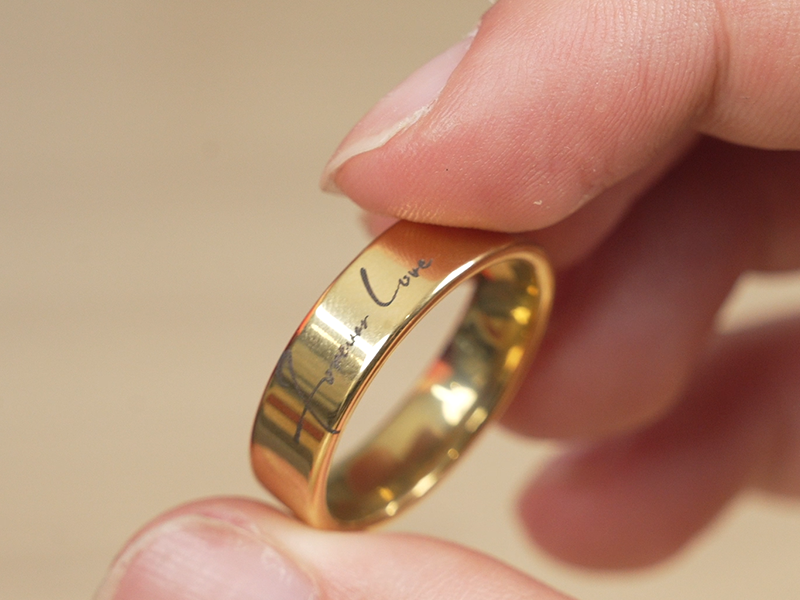
Why Micro Engravers Matter for Jewelry
Jewelry engraving operates at a completely different level compared to general laser engraving. You’re often working with:
· Extremely small surfaces requiring ultra-fine engraving
· High-value materials like gold engraving, silver engraving, and titanium engraving
· Fine text (micro text engraving sometimes under 1 mm in height)
· Detailed vector engraving artwork or micro-patterns
This means your laser engraver for jewelry must deliver:
· Ultra-fine laser spot size for high resolution engraving
· Stable output power for engraving consistency
· High positional accuracy for detailed pattern engraving
· Minimal heat affected zone for delicate materials
A standard diode laser engraver might work for wood or leather, but for metal engraving laser applications and micro-detail, you need something more specialized—especially when dealing with reflective metal engraving or anodized aluminum engraving.
Why the AlgoLaser Pixi 1.5W 1064nm Stands Out
Let’s start with one of the best entry-level micro engraver machines for jewelry: the AlgoLaser Pixi 1.5W 1064nm Laser Engraver, a compact yet powerful infrared laser engraving solution.
1. 1064nm Wavelength for Metal Engraving
Unlike typical blue diode laser engraver systems (around 450nm), the Pixi uses a 1064nm laser engraver wavelength, which is ideal for metal engraving laser applications. This infrared laser engraving technology is significantly better absorbed by materials like:
· Stainless steel engraving
· Gold engraving
· Silver engraving
· Aluminum engraving
· Titanium engraving
This results in high contrast marking, permanent marking, and cleaner surface etching with reduced thermal damage.
2. Ultra-Fine Detail Capability
The Pixi is designed for precision engraving. Its laser beam precision and ultra-small laser spot size allow you to engrave:
· Micro text engraving (names, dates, serial numbers)
· QR codes and barcodes
· Intricate patterns and detailed pattern engraving
· Jewelry branding and logo engraving on jewelry
If you're working on ring engraving machine setups or pendant engraving, this level of engraving accuracy is critical.
3. Compact and Beginner-Friendly
One of the biggest advantages is its compact workspace setup and ease of use. It’s perfect for:
· Home studio laser engraver setups
· Small business laser engraver users
· Etsy jewelry business creators or custom gift engraving sellers
You don’t need an industrial engraving system to achieve professional engraving durability.
4. Low Heat Impact
Because of its precision and wavelength, the Pixi enables cold laser engraving with minimal heat affected zone. That’s essential for precious metal engraving and maintaining engraving durability on delicate jewelry.
Other Recommended Micro Engravers for Jewelry
While the Pixi is an excellent starting point, there are other micro engraver machines worth considering depending on your engraving workflow, engraving speed control needs, and production scale.
1. Fiber Laser Engravers (20W–50W)
If you’re serious about precision laser engraving, fiber laser engraver systems—especially MOPA fiber laser models—are the gold standard.
Key Advantages:
· Extremely high precision engraving accuracy
· Fast engraving speed control
· Deep engraving capability and multi-pass engraving
· Excellent for bulk production and industrial engraving systems
Best For:
· Professional jewelry maker tools
· Industrial workshops
· Bulk custom jewelry engraving
Downsides:
· Expensive (typically $2,000–$10,000+)
· Larger footprint
· Requires calibration and engraving settings optimization
Fiber lasers use the same 1064nm wavelength, making them ideal for permanent marking and wear-resistant marking.
2. UV Laser Engravers (3W–10W)
UV laser engraver systems are another premium option, especially for ultra-fine engraving and delicate materials.
Key Advantages:
· Extremely small laser spot size
· Cold laser engraving with minimal thermal damage
· Ideal for glass and brittle materials
Best For:
· Glass jewelry engraving
· Transparent materials
· Ultra-high detail engraving
Downsides:
· Very expensive
· Slower processing speed
· Overkill for standard metal engraving
3. Desktop IR Laser Modules (1064nm Attachments)
Some brands offer infrared laser engraving modules that upgrade a standard diode laser engraver into a metal engraving laser solution.
Key Advantages:
· Affordable upgrade path
· Compact and portable laser engraver design
· Suitable for DIY jewelry engraving
Best For:
· Intermediate users
· Custom metal engraving at home
Downsides:
· Less powerful than fiber systems
· Requires laser calibration and testing
4. Rotary-Compatible Engravers
Jewelry often involves curved surfaces, making rotary attachment engraving essential.
Look for engravers that support:
· Ring rotary engraver setups
· Rotary rollers for bracelet engraving
· Adjustable chuck systems
This ensures consistent engraving depth control and alignment.
Key Features to Look for in a Jewelry Micro Engraver
Choosing the right micro engraver involves more than brand—it’s about matching features to your engraving process.
1. Laser Wavelength
· 1064nm (Infrared laser engraving): Best for metal engraving
· 450nm (Diode laser engraver): Limited metal use
· UV laser engraver: Best for ultra-fine engraving
2. Spot Size
A smaller laser spot size delivers high resolution engraving and ultra-fine engraving results.
3. Software Compatibility
Your laser engraving software should support:
· LightBurn compatibility
· EZCAD software for fiber laser engraver systems
This allows control over:
· Engraving speed control
· Power adjustment laser settings
· Line spacing adjustment
· Grayscale engraving
4. Stability and Build Quality
High engraving consistency requires:
· Solid frame construction
· Minimal vibration
· Stable laser module mounting
5. Cooling and Safety Features
Look for:
· Proper heat dissipation
· Laser safety glasses
· Emergency stop functions
Real-World Applications in Jewelry Engraving
With the right micro engraver, you can create:
· Personalized jewelry design pieces
· Engraved wedding rings
· Custom name necklaces
· Bracelet engraving with quotes
· Logo engraving on jewelry
· Photo engraving on metal
· Serial numbers for authentication
These applications benefit from non-contact engraving and high contrast marking.
Pixi vs Fiber Laser: Which Should You Choose?
Choose the Pixi 1.5W 1064nm if:
· You’re a beginner laser engraver
· You need an affordable metal engraving machine
· You focus on precision engraving for tiny text
· You run a home studio or Etsy jewelry business
Choose a Fiber Laser if:
· You need industrial engraving system performance
· You do bulk production
· You require deep engraving capability
· You need maximum engraving efficiency
Final Thoughts
When it comes to detailed jewelry engraving, precision beats power every time. The right micro engraver can transform raw materials into personalized jewelry design masterpieces.
The AlgoLaser Pixi 1.5W 1064nm Laser Engraver stands out as a high precision engraver that balances affordability, performance, and usability. It’s one of the best choices for anyone entering the world of laser engraver for jewelry applications.
As your skills grow, upgrading to a fiber laser engraver or UV laser engraver can unlock even more possibilities—but for most creators, starting with a compact, reliable system is the smartest move .
At the end of the day, the best micro engraver is the one that fits your workflow, supports your materials, and helps you bring your creative vision to life with precision laser engraving.


